The hidden bottleneck in modern CNC routing isn’t feed speed—it’s the non-productive time wasted between manual bit swaps.
In the competitive landscape of timber and composite fabrication, scaling your throughput requires eliminating human setup error and streamlining your machining cycle time.
That is where an ATC (Automatic Tool Changer) becomes a complete game-changer for your workflow.
At ProMach, we engineer industrial machinery designed to maximize operational efficiency. In this guide, we will break down exactly what an ATC system does, how the mechanical sequence executes a flawless tool swap, and how integrating an automated tool magazine into your CNC wood router can rapidly accelerate your shop's ROI.
Let's dive right in.
What Does ATC Mean on CNC?
When people in our industry ask what ATC means on a computer numerical control (CNC) machine, they are talking about the Automatic Tool Changer.
At its core, an ATC is the automated muscle of a CNC wood router or milling machine. Instead of requiring an operator to walk over, manually open the spindle collet, swap the bit, and recalibrate the Z-axis height every time a new cut type is needed, the machine handles the entire swap autonomously. It bridges the gap between basic, single-tool cutting and fully automated, multi-stage production.
Understanding the Basics of the Automatic Tool Changer
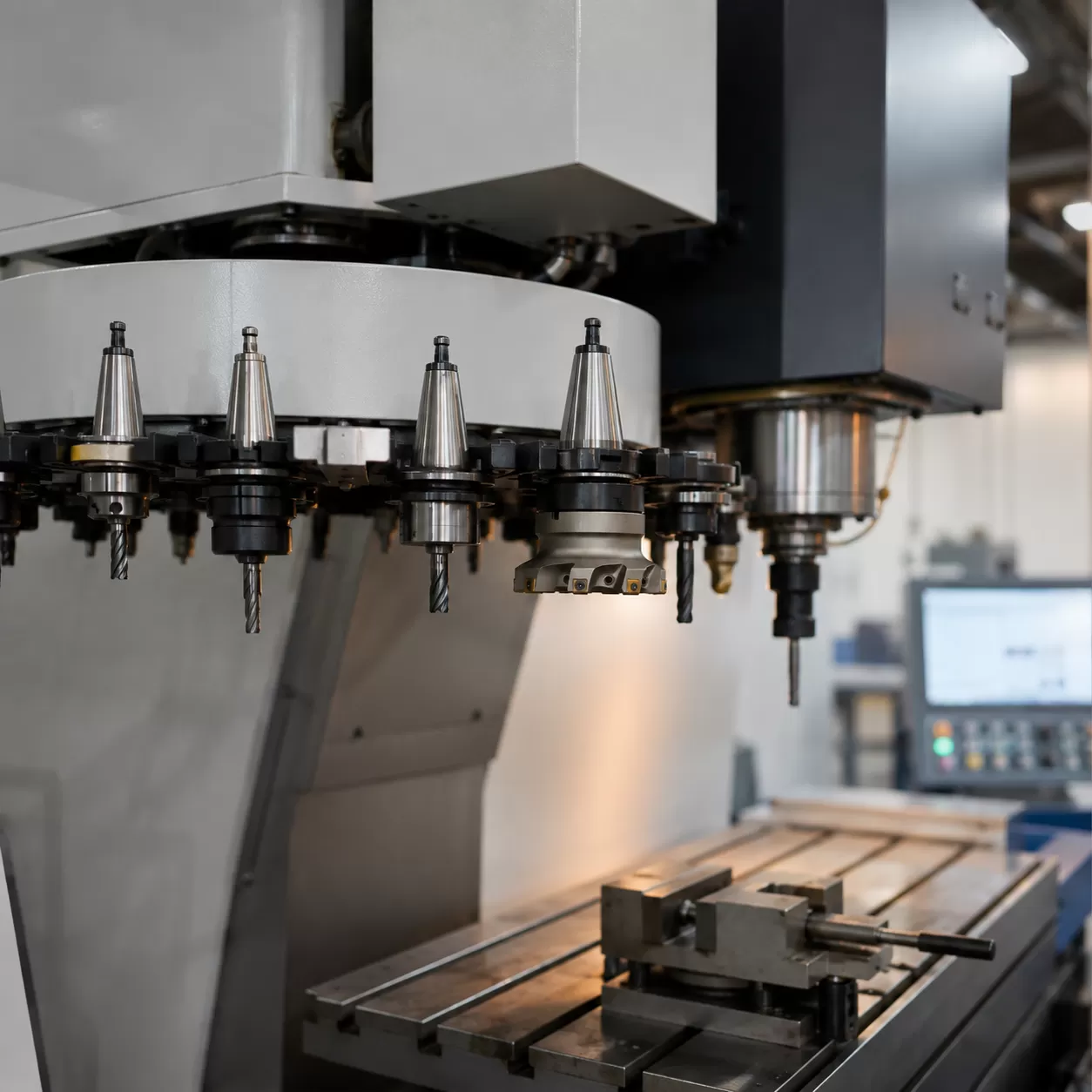
An ATC system pairs a specialized CNC spindle with a dedicated tool magazine that houses various bits—like v-bits, roughing endmills, and finishing profile cutters—each pre-loaded into its own tool holder.
When the design file demands a tool swap, the controller sends a command, the machine drops off the current bit into its designated slot, grabs the next one, and instantly returns to cutting. This entire tool engagement mechanism operates via precise pneumatic and mechanical controls, transforming a manual bottleneck into a seamless, hands-free operation.
Why Modern CNC Shops Rely on ATC Technology
We design and supply industrial CNC routers globally, and the feedback from the field is always the same: upgrading to an ATC system completely changes your shop's economics.
- Eliminating Non-Productive Time: Manually swapping a tool, cleaning the collet, and resetting the touch plate can easily take two to three minutes per change. An ATC cuts that machining cycle time down to mere seconds.
- Erasing Human Error: Operators eventually make mistakes. A wrong tool height setting or a loose collet ruins expensive material. Automation delivers perfect consistency on every single run.
- Unlocking True Multi-Tool Workflows: Complex nested jobs—like carving cabinet doors that require pocketing, profiling, and drilling—can run from start to finish without a single pause or human intervention.
For any shop looking to scale output, reduce labor dependencies, and maximize profitability, an ATC is no longer a luxury upgrade—it is the baseline standard for competitive manufacturing.
How Does an Automatic Tool Changer Work?
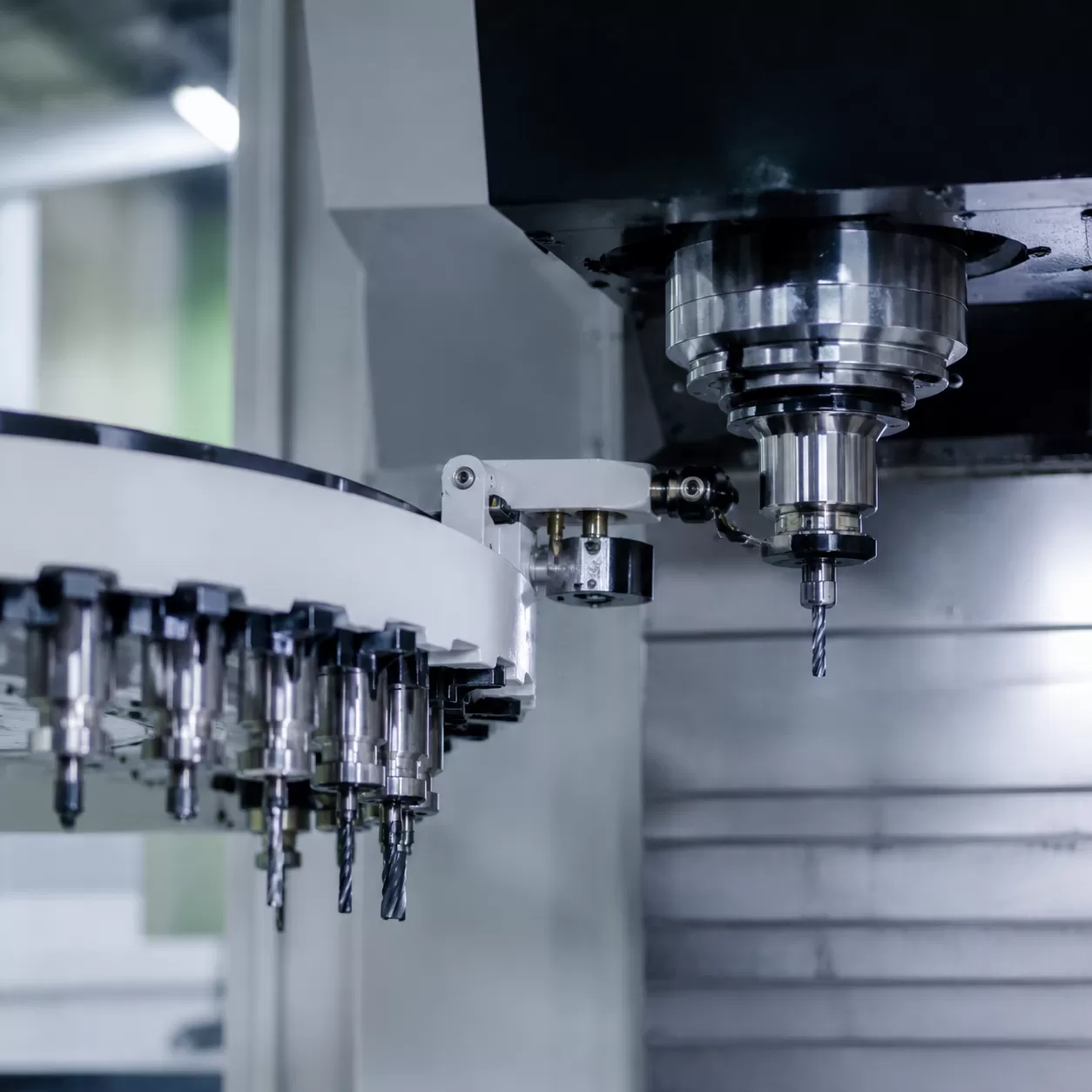
An automatic tool changer (ATC) turns a manual, labor-intensive machining process into a seamless, hands-free operation. Instead of pausing the machine and manually swapping bits, the entire process is automated through a synchronized dance of software commands and mechanical precision.
The M06 G-Code Command Cycle Step-by-Step
The entire tool change sequence is dictated by the machine's controller using standard computer numerical control (CNC) programming. Here is exactly what happens behind the scenes:
- The Trigger: The software reads an M06 command (e.g., T2 M06), which tells the machine to switch to tool number two.
- Spindle Prep: The CNC spindle stops rotating completely and moves to a designated Z-axis clearance height to avoid hitting any clamps or workpieces.
- Positioning: The machine moves along the linear rails to the exact coordinate of the tool magazine or linear tool rack.
- The Return: The spindle drops the current tool holder into its empty pocket, releases it, moves to the new tool location, and picks up the next tool.
- Resuming Work: The controller updates the tool length compensation dynamically, starts the spindle, and dives right back into the cutting path.
The Mechanical and Pneumatic Tool Change Sequence
The physical swap relies on a heavy-duty pneumatic system working in perfect tandem with the tool holder. Inside the ATC spindle, a drawbar held by high-tension springs tightly grips the pull stud of the tool holder.
When the machine executes a change, a pneumatic cylinder forces the drawbar down, compressing the springs and releasing the tool engagement mechanism. Once the spindle moves over the new tool, the air pressure releases, and the springs snap the drawbar back up with immense force, locking the new tool securely into the spindle taper.
How Safety Sensors Prevent Costly Spindle Collisions
In a high-speed industrial environment, a single error can destroy an expensive spindle or ruin a workpiece. That is why our advanced CNC machining center setups utilize a network of safety sensors to foolproof the entire process:
Tool In-Place Sensors: These verify that a tool holder is actually present in the spindle before spinning up to 24,000 RPM.
Air Pressure Sensors: If the shop's pneumatic pressure drops below a safe threshold, the machine instantly triggers an emergency stop to prevent a tool from dropping mid-change.
Laser/Contact Tool Setters: After a swap, the machine frequently checks the tool length to ensure the bit isn't broken and that it was gripped correctly, completely eliminating human error and preventing costly table crashes.
Types of ATC Systems for CNC Wood Routers
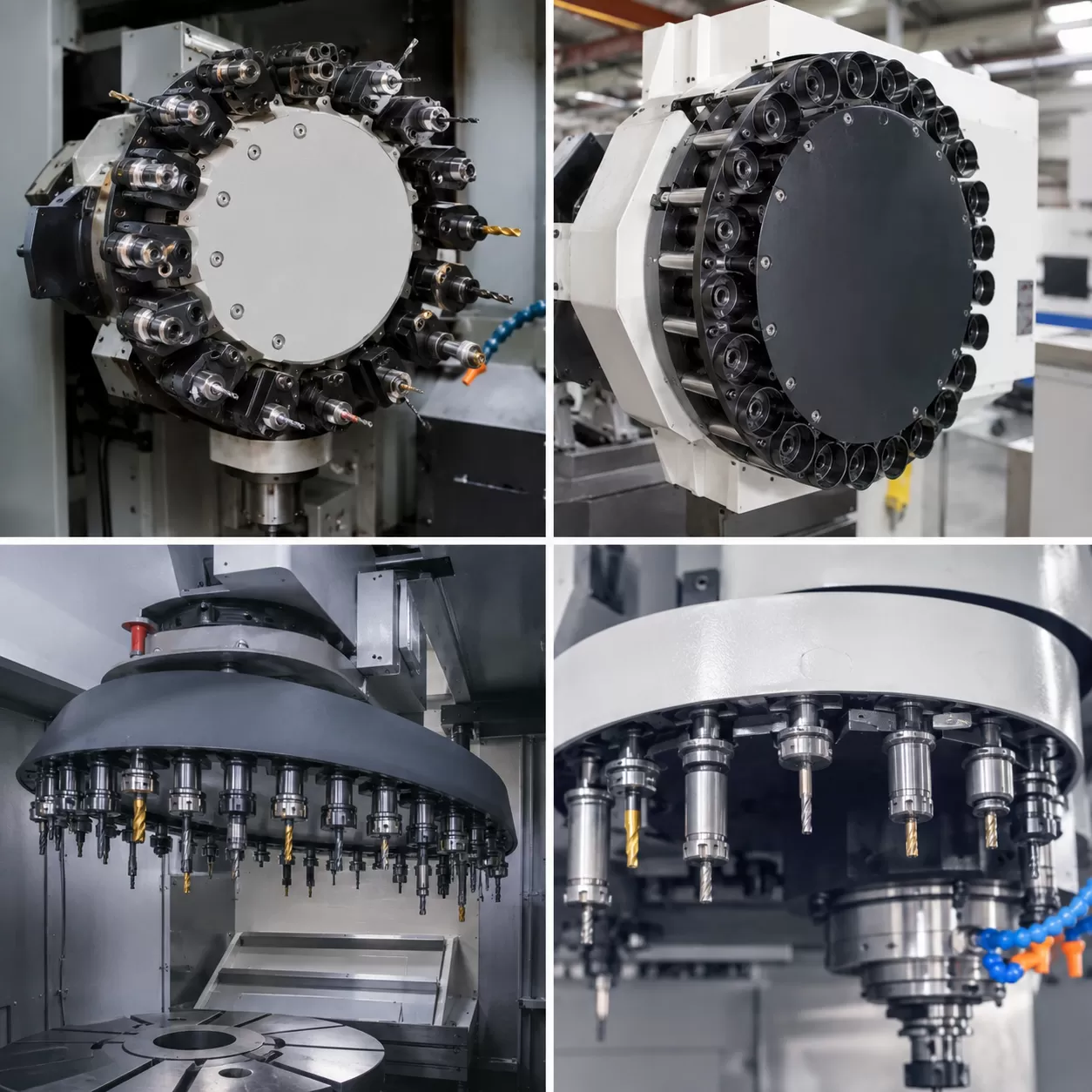
Understanding what ATC means on CNC is only half the battle; you also need to know which setup fits your production style. In the computer numerical control (CNC) world, an automatic tool changer works by using different mechanical structures to store and swap tool holders.
Depending on your production volume, budget, and garage or factory space, our engineering team manufactures three main types of ATC systems to optimize your machining cycle time.
Linear Tool Racks for Budget-Friendly Efficiency
A linear tool rack is the most direct, cost-effective way to transition away from a manual tool change. In this configuration, a fixed tool magazine is mounted at the rear or along the side of the machine bed, keeping the tool positions aligned in a straight line along the linear rail.
- How it works: The CNC spindle travels all the way to the back of the machine, drops off its current tooling component, moves over to the next fork, and picks up the new tool holder.
- Best for: Small to mid-sized shops or shops upgrading their first 1325 CNC wood router setup. It offers a huge step up in automation without the steep price tag of rotary systems.
Carousel and Rotary ATCs for Lightning-Fast Swap Times
If non-productive time is killing your daily profits, a carousel type ATC is the industry standard for high-speed cutting. This circular tool magazine typically mounts directly to the gantry, traveling right alongside the CNC spindle.
- How it works: Because the carousel moves with the gantry, the spindle doesn't have to travel across the entire machine bed to change tools. The tool engagement mechanism spins the correct tool right into place under the spindle in a matter of seconds.
- Best for: High-volume cabinet making, 3D milling, and rapid nesting. Pairing a carousel system with a heavy-duty platform like our industrial 1530 CNC wood router slashes cycle times dramatically.
Chain-Type Tool Magazines for High-Capacity Industrial Shops
For mass-production factories running highly complex, multi-tool workflows, standard racks and wheels simply won't hold enough bits. That is where chain-type tool magazines come in.
- How it works: Similar to a Swiss-type lathe setup or a massive metalworking machining center, these systems use a heavy-duty, looped chain drive to move dozens of tools into position.
- Best for: Advanced factories that need 20 to 50+ different tools ready to go for intricate, non-stop nesting and manufacturing.
The Tech Breakdown
To make an automatic tool changer work, you cannot just use a standard trim router. Handheld or standard trim routers lack the internal pneumatic drawbar mechanism required to grab and release a tool holder automatically. An ATC system requires a specialized, heavy-duty CNC spindle engineered specifically to engage and disengage tooling on the fly.
ISO20 vs ISO30 vs HSK Tool Holder Interface Standards
The connection between your spindle and the cutting tool is critical. Different manufacturing setups require different tool holder standards to balance speed, rigidity, and cost.
- ISO20: Best for light-duty, high-speed applications. Commonly found on smaller precision machines or hobbycnc upgrades.
- ISO30: The industry standard for a production-grade furniture CNC router. It offers the perfect balance of torque, rigidity, and affordability for processing wood, plastics, and soft metals.
- HSK (HSK63F): The premium choice for high-speed, heavy-duty industrial machining. HSK holders feature a hollow taper that grips tighter as centrifugal force increases, ensuring maximum precision at high RPMs.
Air-Cooled vs Water-Cooled Spindle Configurations
Choosing the right cooling method for your ATC spindle directly impacts its lifespan and performance on the shop floor.
| Feature | Air-Cooled Spindle | Water-Cooled Spindle |
|---|---|---|
| Cooling Medium | Built-in fan or compressed air | Water chiller and circulation loop |
| Maintenance | Low (just keep fan/fins clean) | Moderate (requires coolant changes) |
| Noise Level | Louder at high RPMs | Extremely quiet |
| Best Used For | Dusty woodworking environments | Long, continuous heavy milling cycles |
For most automated operations, matching a high-quality computer numerical control system with an ISO30 or HSK air-cooled spindle provides the reliability needed to keep production moving without unnecessary maintenance downtime.
Why You Need an ATC CNC Router
Investing in an automatic tool changer is the single best move you can make to scale your production. If you are still running a manual CNC wood router, you are losing money every time a worker stands around swapping out a bit.
Here is exactly how integrating an ATC system transforms your shop floor efficiency and bottom line:
- Slashing Non-Productive Time: Instead of stopping the machine, clearing dust, and manually wrenching tool holders, the ATC switches tools in seconds. This keeps your CNC spindle cutting, not sitting idle.
- Perfect Z-Axis Precision: Human error during manual tool touches leads to ruined material. An ATC system guarantees identical tool length offsets every single time, giving you zero-error Z-axis depth.
- Seamless Multi-Tool Workflows: Carving a complex cabinet door that requires profiling, pocketing, and drilling? A high-performance 4-axis CNC router handles the entire multi-tool machining cycle automatically from start to finish.
- Labor Optimization & Safety: Operators no longer need to reach into the enclosure constantly to change tools. This boosts workshop safety and frees up your team to run other machinery or prep the next batch of material.
Manual Tool Change vs. ATC Efficiency
| Performance Metric | Manual Tool Change | ATC CNC Router |
|---|---|---|
| Average Swap Time | 2 to 5 minutes | 5 to 15 seconds |
| Z-Axis Accuracy | Dependent on operator skill | Perfect digital calibration |
| Labor Utilization | Operator tied to the machine | Set-and-forget automation |
| Risk of Human Error | High (Incorrect bit/wrong offset) | Negligible (Controlled by G-code) |
By eliminating the bottlenecks of computer numerical control operations, our commercial-grade ATC setups ensure your workshop maintains maximum throughput with minimal waste.
What Is Your True ROI?
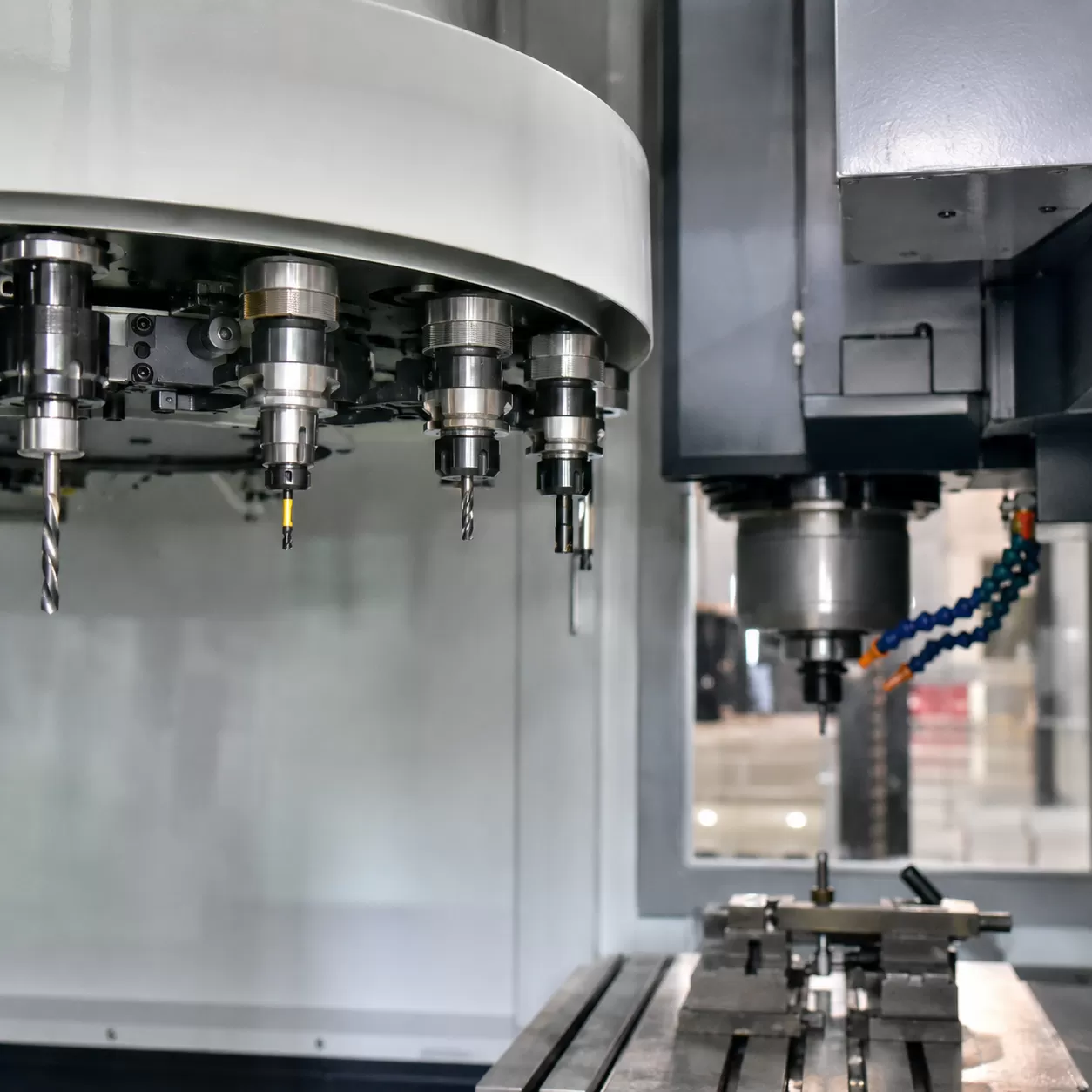
Investing in an automatic tool changer isn't just about upgrading your machinery—it is about securing your shop's bottom line. When evaluating a CNC wood router, looking past the initial price tag to see how fast an ATC system pays for itself is crucial for real business growth.
How Manual Tool Changes Eat Into Your Daily Profits
A standard manual tool change requires stopping the spindle, clearing dust, swapping the tooling component, re-zeroing the Z-axis, and restarting the program.
- Time Wasted: A single manual swap takes roughly 2 to 3 minutes.
- Cumulative Loss: If your design requires 4 tool changes per piece, that is nearly 12 minutes of non-productive time per cycle.
- The Hidden Cost: Over days and weeks, this manual process kills your workflow momentum, introduces human error, and keeps your highly-paid operators chained to a single machine instead of managing multiple tasks.
Production Output Across an 8-Hour Shift
The production differences become stark when comparing a manual machine to an ATC-equipped system over a standard 8-hour shift.
| Performance Metric | Manual Tool Change Setup | ATC CNC Router Setup |
|---|---|---|
| Average Swap Time | 120 – 180 seconds | 5 – 10 seconds |
| Daily Non-Productive Time | Up to 2.5 hours lost | Less than 10 minutes lost |
| Labor Optimization | Operator tied to the machine | Set-and-forget, multi-tasking allowed |
| Daily Output Capacity | Baseline (e.g., 10 complex units) | Double or Triple (e.g., 25–30 units) |
By transitioning to an automated machining cycle time, those lost hours convert directly into finished parts. For shops looking to maximize this efficiency, pairing your setup with high-quality CNC spare parts ensures your system maintains peak uptime. The math is simple: eliminating manual intervention allows your computer numerical control system to run continuously, maximizing your daily output and delivering a rapid return on your investment.
What to Look for Before Buying or Upgrading to an ATC
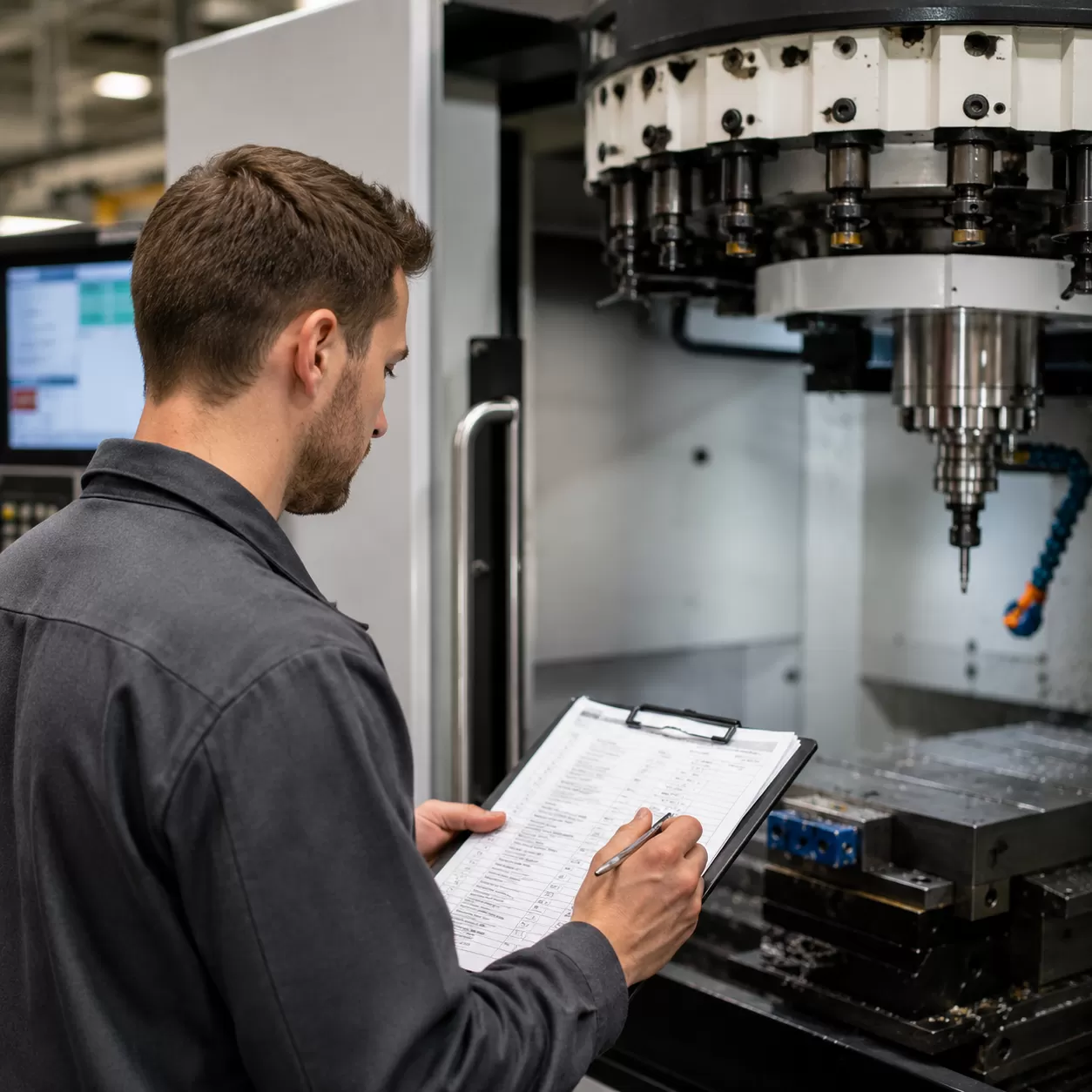
Investing in an automatic tool changer is a major milestone for any shop. However, simply slapping a new CNC spindle onto an old machine will not yield the desired results. To fully leverage the power of computer numerical control automation, the machine setup must meet specific technical requirements.
Why Machine Frame Rigidity Matters for Heavy-Duty Cutting
An ATC CNC wood router operates at much higher speeds and carries significantly more weight than a standard manual machine. The spindle itself is heavier due to the internal pneumatic drawbar and the tooling component mechanisms.
- Vibration Dampening: A flimsy frame will flex under the rapid directional changes of high-speed machining. This causes chatter marks on your workpieces and ruins your finish.
- Linear Rail Support: Heavy-duty, widened linear rail setups are required to support the gantry's extra mass during rapid travels between the tool magazine and the workpiece.
- Structural Integrity: Look for heavy, all-steel welded frames that are stress-relieved and machined on industrial gantry mills. If the frame lacks rigidity, the high-speed tool changes will quickly knock the machine out of alignment.
Pneumatic Infrastructure and Clean Air Requirements
The tool engagement mechanism inside an ATC spindle relies heavily on pneumatic power. When the controller triggers a tool change, a blast of compressed air physically forces the internal springs open to release the tool holder.
- Volume and Pressure: You need a reliable compressor capable of maintaining a constant 6 to 8 bar (90-115 PSI) of pressure with a high flow rate.
- Moisture Control: Water is the absolute enemy of an ATC spindle. Moisture in the air lines causes internal rust, ruins the precision bearings, and can stick the drawbar mechanism. A dedicated refrigerated air dryer and a multi-stage filtration system are non-negotiable.
- Air-Clean Blast: The system also uses a blast of air to clean the taper of the tool holder during the swap. Any dust or wood chips trapped inside the taper will cause runout, ruining your cutting accuracy and potentially damaging the spindle shaft.
Choosing the Right Controller and Software Workflow
An automatic tool changer is only as smart as the brain controlling it. Moving from manual swaps to a automated carousel type ATC or linear tool rack requires a controller and software workflow that can handle macro programming.
| Controller Requirement | Purpose in ATC Workflow |
|---|---|
| Macro Support | Executes the complex M06 subroutines for positioning, dropping, and picking up tools. |
| Look-Ahead Capabilities | Pre-calculates acceleration and deceleration to optimize machining cycle time. |
| Safety Interlocks | Processes signals from pneumatic sensors to confirm a tool is safely clamped before spinning up. |
Your CAM software must also support dedicated post-processors for ATC functionality. The software needs to output clean G-code that tracks tool numbers accurately, manages independent Z-axis offsets for every single tool in the tool magazine, and manages safe transit zones to prevent the spindle from crashing into clamps or the tool rack itself. While optimizing your CNC shop workflow, you might also look into advanced cutting technologies like a hybrid laser cutting system or explore our full line of industrial laser cutting machines to expand your manufacturing capabilities.
Common FAQs About CNC Automatic Tool Changers
Can I upgrade my manual CNC router to an ATC system?
Upgrading a manual machine to a full automatic tool changer system is technically possible, but it is rarely cost-effective for standard production shops. A true ATC upgrade requires replacing your entire CNC spindle with one that handles pneumatic tool release mechanisms, adding a VFD (Variable Frequency Drive) that supports tool changing, installing a tool magazine, and completely rewriting your controller software macro steps. For most operators, selling your current machine and upgrading to a purpose-built 3-axis CNC wood router with factory-integrated ATC saves thousands of dollars in configuration headaches and eliminates unexpected downtime.
How many tools does a standard ATC magazine hold?
The capacity of an automatic tool changer varies by the specific design and footprint of the computer numerical control setup:
- Linear tool racks: Typically hold 4 to 10 tools. These are fixed along the edge of the working table, making them perfect for budget-friendly hobby CNC router configurations.
- Carousel type ATC systems: Commonly accommodate 8 to 24 tools. The circular magazine moves with the gantry for fast access.
- Chain-type magazines: Built for high-capacity industrial applications, easily managing 30 to 120+ tool holders for continuous, heavy-duty production.
What is the average tool change cycle time?
The exact machining cycle time for a tool swap depends heavily on the mechanical layout of your machine:
| ATC System Type | Average Swap Time | Best Suited For |
|---|---|---|
| Carousel / Rotary | 3 to 8 seconds | High-speed, high-volume nesting |
| Linear Rack | 10 to 20 seconds | Budget-conscious cabinet shops |
| Chain-Type Magazine | 5 to 15 seconds | Complex multi-tool machining centers |
Choosing the right configuration directly impacts your non-productive time, turning raw labor hours into pure, automated shop floor efficiency.