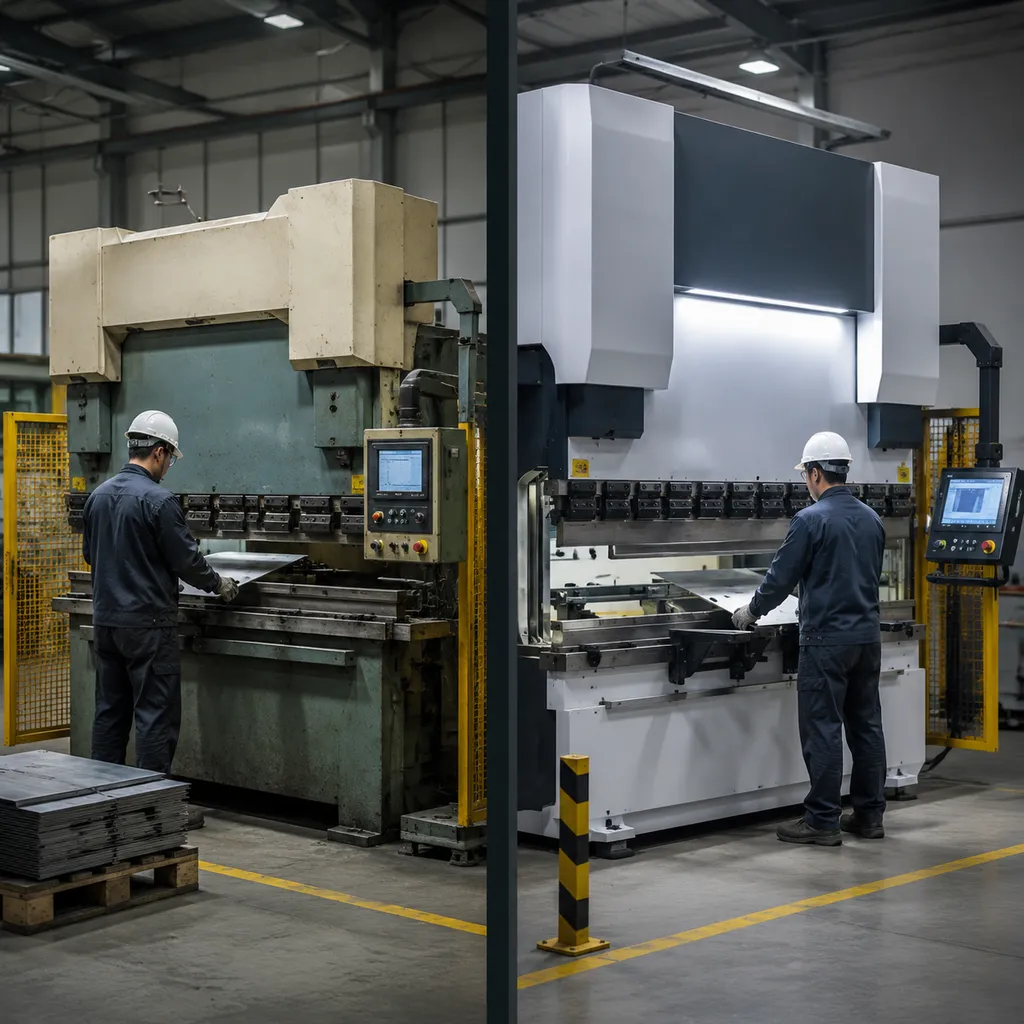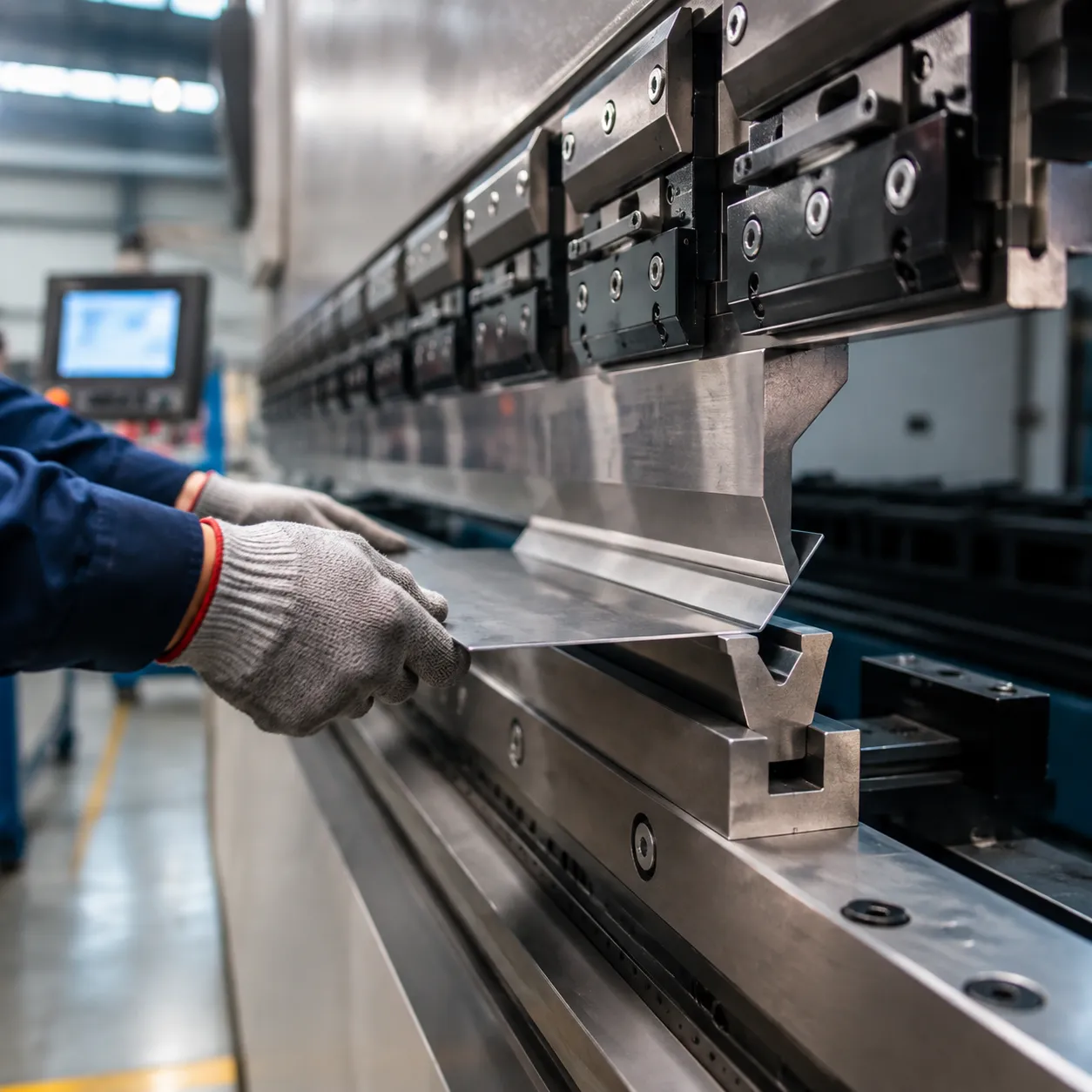
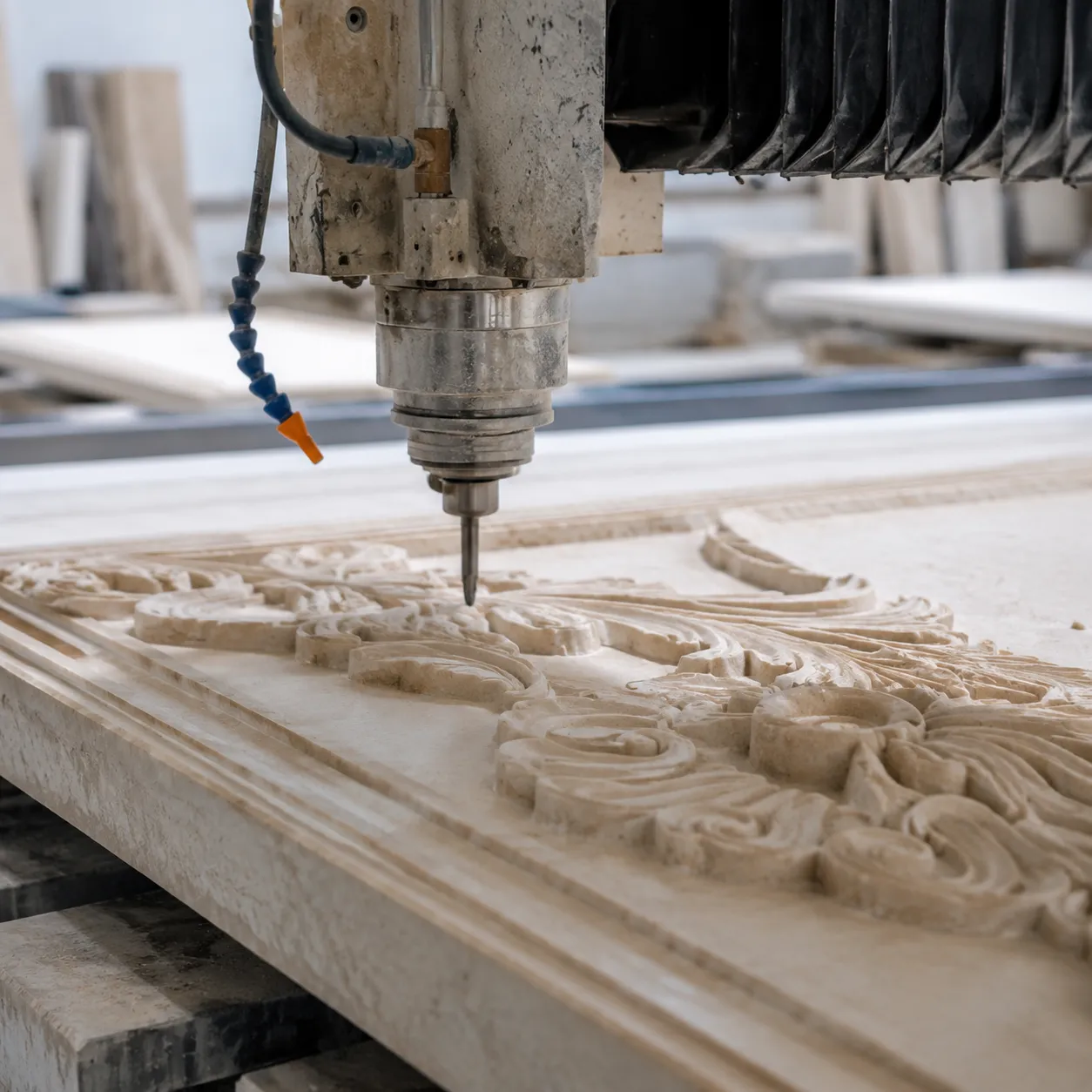
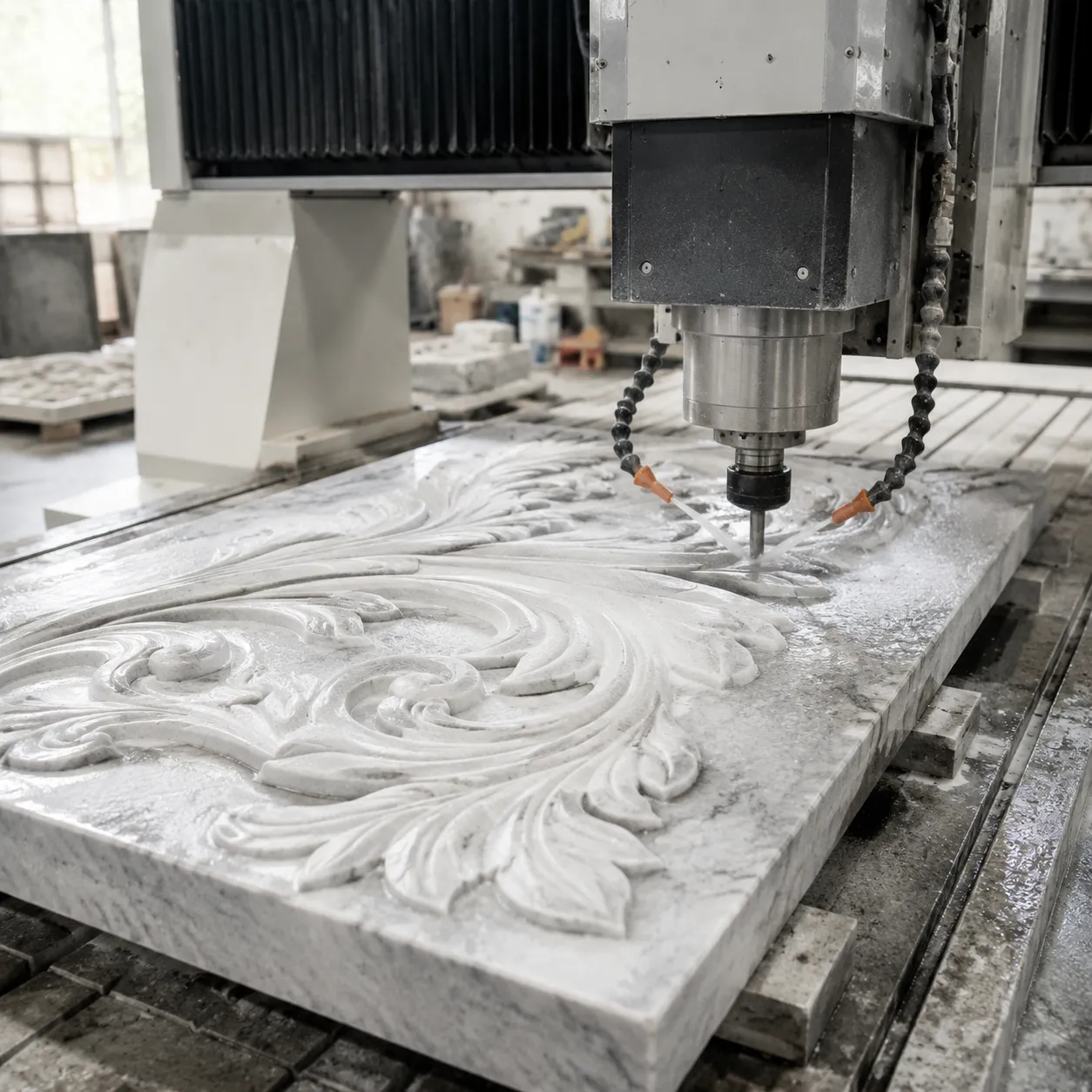
Cutting stone on a CNC router is achievable with a dedicated stone carving machine, but soft marble and limestone behave nothing like granite, quartzite, or dense ceramics. Soft stones suit standard routers for intricate designs; hard materials force a slow grinding operation with diamond coated tooling, continuous water-based coolant, and a rigid frame—not a hobby desktop CNC machine. Treat granite like marble and you will burn through diamond tips and stress a spindle that was never sized for the load; match material, coolant, and feeds to the job, and CNC milling stone becomes far less guesswork on real stone slabs.
Can I Cut Stone with a CNC Router?
Whether you can cut stone with a CNC router depends on the type of stone you are working with. As a dedicated stone CNC router manufacturer, we see many shops make the mistake of treating all stone slabs the same. To protect your machine and your tooling, you must understand the critical differences between hard and soft stones.
Soft Stones: Perfect for Intricate Designs
Soft natural stones are highly predictable and excellent for standard CNC milling stone operations. If you are looking to create high-margin custom pieces, these materials are your best bet.
- Eligible Materials: Marble, limestone, travertine, and soapstone.
- Best Uses: Detailed architectural reliefs, custom tiles, and ornate fireplace mantels.
- Why They Work: These materials allow for smooth, continuous cuts without destroying your bits, making it easy to execute highly intricate designs and complex 3D texturing.
Hard Stones: The Industrial Challenge
When you move into harder materials, the process shifts from standard cutting to a heavy grinding operation.
- Challenging Materials: Granite, quartzite, engineered quartz, and dense ceramics.
- The Problem: These stones are incredibly abrasive. Attempting to cut them on a lightweight setup will result in severe tool deflection, ruined stone slabs, and broken diamond tips.
- The Solution: Processing hard stone and ceramics requires an industrial-grade setup. You need massive frame rigidity, high-kilowatt spindle power, and a dedicated water assisted cutting system to survive the extreme friction.
| Stone Type | CNC Compatibility | Primary Application | Machine Requirement |
|---|---|---|---|
| Marble / Limestone | Excellent | Architectural reliefs, custom tiles | Standard Stone CNC Router |
| Soapstone / Travertine | Excellent | Intricate carvings, home decor | Standard Stone CNC Router |
| Granite / Quartzite | Challenging | Countertops, monuments | Heavy-Duty Industrial CNC |
| Engineered Ceramics | Difficult | Industrial surfaces, modern cladding | High-Rigidity Industrial CNC |
4 Technical Requirements: Can I Cut Stone With a CNC Router?
Natural stone slabs and hard ceramics will destroy a lightweight wood router or hobby rig—you need a stone CNC router built for CNC milling stone. Successful CNC milling stone requires four non-negotiable hardware standards.
1. Frame Rigidity & Vibration Dampening
Cutting stone creates massive resistance. You need a heavy-duty cast iron frame to absorb the intense vibrations. Without heavy mass, your machine will flex, ruining your precision and snapping your tooling.
2. Spindle Power and Cooling Type
High spindle power (kW) is critical for maintaining torque through tough materials. Air-cooled spindles overheat quickly under the constant load of stone processing. Water-cooled spindles win every time because they maintain optimal temperatures during long carving runs.
3. Diamond Coated Tooling
Standard carbide bits fail instantly against natural stone. You must use diamond coated tooling. Industrial diamond tips grind away the stone material rather than cutting it, which prevents tool breakage and ensures clean edges.[2]
4. Active Fluid Management
Water assisted cutting is mandatory. A continuous flow of water-based coolant keeps the tool cool and suppresses toxic stone dust.[1] You also need a dedicated slurry management system to channel the water and abrasive stone residue safely away from the mechanical parts.
Quick Summary: Stone CNC vs. Standard CNC
| Feature | Standard Desktop CNC Machine | Industrial Stone CNC Router |
|---|---|---|
| Frame Material | Aluminum or Light Steel | Heavy-duty cast iron frame |
| Spindle Type | Air-Cooled | Water-Cooled |
| Tooling | Carbide / HSS | Diamond coated tooling with diamond tips |
| Cooling System | Dry / Air Mist | Water assisted cutting + slurry management system |
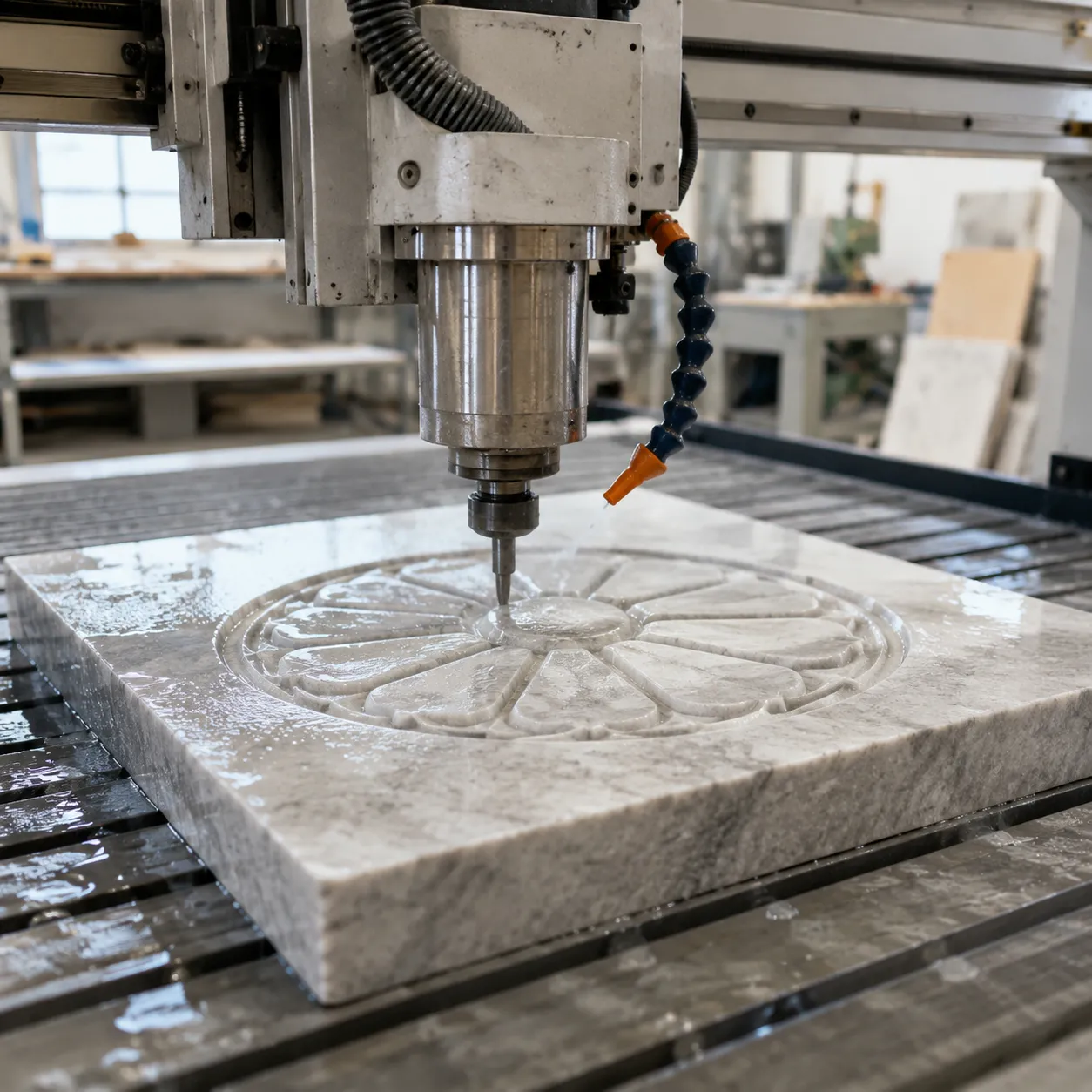
CNC Milling Stone: Toolpath and Feed Settings
When figuring out how to cut stone with a CNC router, your software settings make or break the job. Stone isn't like wood or plastic—it doesn't slice the way a CNC wood router handles softer stock. Instead, CNC milling stone is actually a continuous grinding operation. If you use standard wood toolpaths, you will instantly snap your expensive diamond tips.
Here are the exact strategy adjustments we use to ensure clean cuts and protect our tooling:
Ramping vs. Vertical Plunging
- Never plunge straight down: Dropping a bit vertically into a stone slab concentrates immense heat and pressure on the very tip of the tool, causing immediate failure.
- Always use smooth ramping: Program your software to enter the material at a shallow angle (smooth ramp or spiral entry). This distributes the initial wear across the sides of your diamond coated tooling instead of crushing the tip.
The "Slow and Shallow" Rule
To keep your stone carving machine running smoothly without stalling the spindle or deflecting the bit, you must adjust your feed rates and depth of cut.
| Parameter | Setting Strategy for Stone |
|---|---|
| Feed Rate | Slow and steady. Keep the travel speed low to allow the diamond matrix time to grind away the material. |
| Stepdown (Depth of Cut) | Shallow passes. Take multiple light passes rather than trying to clear deep channels in a single run. |
| Stepover | Keep stepover tight (typically 10%–15% of the tool diameter) for high-quality, intricate designs. |

Conventional vs. Climb Milling
Managing tool deflection on heavy stone slabs requires the right cutting direction:
Conventional Milling is preferred: For most heavy stone roughing passes, conventional milling pushes the tool against the direction of the feed. This minimizes tool deflection, prevents the bit from climbing up onto the hard stone, and significantly extends tool life.
Climb Milling for finishing: Only switch to climb milling for very light, shallow final passes to achieve a polished, ultra-smooth edge profile.
Stone CNC Router Applications: Marble, Granite and Jade
When clients ask us, "Can I cut stone with a CNC router?" they usually want to know what kind of real-world products they can actually create. The answer is simple: if you have the right setup, the application potential is massive. We see our machines deployed across several key US industries to create high-margin, custom stone products.
Here is a breakdown of the most common profitable applications driving the market today, from residential mantels to monument work shown in our stone project gallery:
Architectural & Home Decor
Custom high-end residential projects rely heavily on a computer-controlled stone carving machine to deliver flawless finish work.
Fireplace Mantels: Carving intricate, grand-scale statement pieces from single stone slabs.
Architectural Moldings: Creating repeatable, perfectly matched limestone or travertine trim for luxury homes.
3D Reliefs: Milling highly detailed decorative wall panels and custom textures into marble.
Commercial Fabrication
For high-volume shops, speed and precision are everything. Our commercial clients use stone CNC routers to automate daily production tasks that used to take days of manual labor.
Countertop Cutouts: Polishing and cutting precise sink holes, cooktop openings, and custom edge profiles.
Marble and Granite Engraving: Etching crisp, permanent commercial signage, logos, and corporate branding directly into hard stone surfaces.
Monuments & Art
The addition of specialized axis attachments opens up completely new creative avenues for artists and monument builders.
3D Lithophanes: Utilizing precise stepdowns to carve thin translucent marble panels that reveal stunning images when backlit.
Statues & Pillars: Utilizing a 4th-axis rotary device to pull off complex, 360-degree carving operations for custom columns, memorial statues, and detailed religious monuments.
| Industry | Primary Materials | Key Products |
|---|---|---|
| Residential Decor | Marble, Limestone, Travertine | Fireplace mantels, 3D wall panels, custom tiles |
| Commercial Shops | Granite, Quartz, Engineered Stone | Countertop cutouts, commercial signs, institutional branding |
| Monuments & Fine Art | Granite, Marble, Jade | Memorial headstones, 360° rotary carvings, lithophanes |
Can I Cut Stone With a CNC Router? ProMach Machine Options
If you want to stop wondering can i cut stone with a cnc router and actually start doing it efficiently, you need the right machine for your specific workflow. At ProMach, we build dedicated stone carving machine setups engineered to handle the brutal forces of CNC milling stone. Whether you run a boutique artisan shop or a high-volume fabrication facility, we have a proven solution designed to tackle everything from soft marble to dense granite slabs.
For Small Shops & Craft Customization: ProMach Mini 6090 Benchtop Stone Router
The ProMach Mini 6090 Benchtop Stone Router brings heavy-duty capabilities to small shops, garage studios, and craft businesses.
- Compact Footprint: Fits easily into limited workspaces while offering a capable 600 × 900 mm cutting area.
- Rigid Construction: Built with a heavy-duty cast iron frame to completely eliminate the flex and chatter that destroys diamond tips.
- Precision Work: Perfect for intricate designs, custom tiles, high-end stone signage, and smaller architectural reliefs.
- Entry-Level Power: Eliminates the flex issues of a standard desktop CNC machine, allowing safe, water assisted cutting on a smaller scale.
For High-Volume Industrial Production: ProMach 1325 Stone CNC Router
| Feature | ProMach 1325 Specifications & Benefits |
|---|---|
| Working Area | Large 1300 × 2500 mm bed to handle standard stone slabs and large architectural elements. |
| Spindle Power | High-torque, water-cooled spindle power (kW) options designed for continuous grinding operations. |
| Frame Design | Maximum weight industrial frame for superior vibration dampening during heavy-duty cutting. |
| Production Speed | Engineered for rapid marble and granite engraving, deep 3D carving, and kitchen countertop cutouts. |
Maximum Efficiency Upgrades: ATC and Multi-Axis Rotary Systems
Advanced performance upgrades transform our standard machines into fully automated production centers.
- Automatic Tool Changer (ATC): Eliminates manual intervention. The machine automatically switches from a roughing bit to a fine detailing tool, keeping your hands off the machine and the water-based coolant contained.
- 4th-Axis Rotary Device: Adds full 3D carving capabilities. Essential for machining round columns, balusters, complex statuary, and highly detailed artistic monuments.
- Integrated Slurry Management System: Upgraded water containment and filtration setups that keep your shop clean and recycling lines running smoothly.
Can I Cut Stone with a CNC Router FAQ
Can I cut granite on a standard hobby desktop CNC machine?
No, you cannot safely or effectively cut granite on a standard hobby desktop CNC machine. Granite is incredibly dense and requires an immense amount of spindle power, a heavy-duty cast iron frame to absorb vibrations, and a dedicated slurry management system. Attempting this on a light aluminum hobby rig will ruin your machine, snap your bits, and risk injury.[1] For hard stone slabs like granite, you need an industrial-grade stone carving machine equipped for heavy CNC milling stone operations.
How long do diamond-coated CNC bits last when cutting marble?
The lifespan of your diamond coated tooling depends entirely on your setup, but on average, high-quality diamond tips typically last many tens of hours of active cutting on soft marble under proper coolant flow[2].
To maximize the life of your bits during a grinding operation, always follow these rules:
- Never run the tool dry; always use a continuous flow of water-based coolant.
- Use a "slow and shallow" approach with proper toolpath ramping.
- Match your feed rates to the specific density of the stone slab.
What is the difference between a CNC stone router and a CNC bridge saw?
While both machines are essential in a modern stone shop, they serve completely different purposes in the fabrication workflow.
| Feature | CNC Stone Router | CNC Bridge Saw |
|---|---|---|
| Primary Function | Executes intricate designs, 3D carving, lettering, and sink cutouts. | Makes straight, fast, and heavy cuts to size large stone slabs. |
| Cutting Tool | Uses diamond coated tooling (bits) for multi-directional carving. | Uses a large, circular diamond saw blade for straight-line cutting. |
| Operation Type | Highly detailed computer-controlled milling and engraving. | High-speed primary slab dimensioning and profiling. |
| Best For | Custom mantels, marble and granite engraving, and 3D reliefs. | Countertop blank cutting and straight edge squaring. |
Share your target stone type, slab size, and daily shift hours when sizing a stone router. Request a quote for confirmed lead times and configuration options.